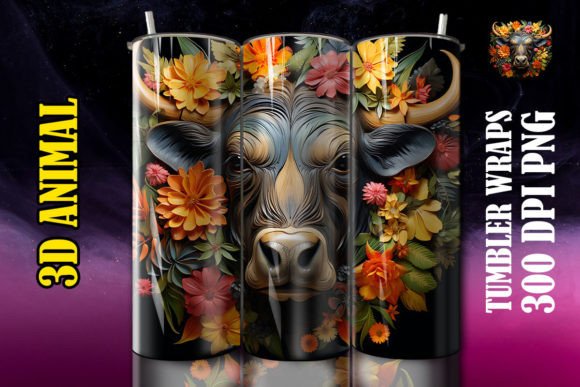
3D Wildebeest Tumbler 1: Mastering the Digital Sublimation Wrap
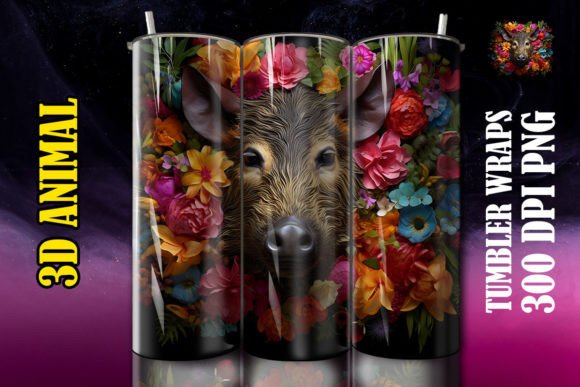
Creating custom drinkware with a wildlife theme requires more than just a generic animal clipart; it demands depth, texture, and precise formatting. The 3D Wildebeest Tumbler 1 design offers creators a unique opportunity to produce tumblers that stand out in a saturated market. Unlike flat, two-dimensional vectors, this specific wrap utilizes shading and perspective to create an optical illusion of three-dimensionality when applied to a curved surface. For sublimation printers, crafters, and small business owners, understanding the technical nuances of this digital asset is the difference between a professional-grade product and a wasted blank.
Many enthusiasts rush to purchase and print without fully grasping the specifications of digital wraps. While the instant download convenience is appealing, overlooking the technical requirements of the 3D Wildebeest Tumbler 1 Tumbler Wrap PNG File can lead to blurry prints, misaligned seams, or distorted proportions. This guide focuses on correcting common oversights and ensuring your final product honors the quality of the original design.
Understanding the Digital Asset Specifications
Before you even open your design software, you must understand exactly what you are acquiring. A frequent point of confusion for beginners is expecting a physical product or a pre-sized template for every tumbler brand on the market. It is vital to recognize that this item is strictly a digital file for instant download. No physical tumbler will arrive at your door.
The download consists of a single ZIP file containing a bundle of several PNG files. These are high-resolution assets sized at 9.06 inches by 8.11 inches at 300 DPI. This specific dimension is not arbitrary; it is optimized for standard 20oz skinny straight tumblers. However, assuming this size will automatically fit your specific tumbler blank without verification is one of the most costly mistakes in sublimation printing. Tumbler manufacturers vary slightly in circumference and height. Always measure your blank physically before printing. If your tumbler is 9.2 inches tall rather than 9.06, you risk leaving a visible gap at the bottom or top rim.
Avoiding Resolution and Color Management Errors
The 300 DPI specification is non-negotiable for sublimation. A common error occurs when users inadvertently resize the image within their software, causing the resolution to drop below printable standards. When working with the 3D Wildebeest Tumbler 1, maintain the original pixel dimensions as much as possible. If you must scale the image to fit a different vessel, do so proportionally and check the effective PPI (pixels per inch) in your export settings. Printing a 3D-rendered animal at 150 DPI will result in pixelation that destroys the realistic fur texture and depth cues essential to the design's appeal.
Color management presents another hurdle. PNG files utilize RGB color space, while sublimation printers use CMYK inks. Without proper color profiling, the vibrant earth tones of the wildebeest may print dull or shifted toward magenta. Do not rely solely on your screen’s display. Experienced creators always print a test strip on sublimation paper before committing to a full wrap. This allows you to adjust saturation and contrast in your RIP software or printer driver to match the intended vibrancy of the digital file. Skipping this step often leads to wasted ink and paper, especially when trying to capture the subtle gradients that give the wildebeest its 3D appearance.
Seam Alignment and Application Precision
The "3D" effect in this wrap relies heavily on seamless alignment. Because the design simulates depth through shadow and highlight placement, a crooked seam doesn't just look like a bad cut; it breaks the visual illusion entirely. Many users struggle here because they treat the PNG as a simple rectangle rather than a precision-mapped surface.
To avoid alignment failures, utilize alignment marks if included in the bundle, or create your own center guidelines in your design software. When applying the transfer to the tumbler, use heat-resistant tape to secure the seam line first before wrapping the rest of the paper. Ensure the paper is pulled taut against the curve. Loose paper causes ghosting, which blurs the fine details of the wildebeest’s fur. Furthermore, verify that your heat press or oven temperature is consistent. Uneven heat can cause the ink to gasify irregularly, resulting in faded patches that ruin the dimensional shading.
File Handling and Post-Purchase Best Practices
Since you receive the digital files directly after purchasing, proper file management is part of the success equation. A surprisingly common issue is losing access to the source files due to poor organization. Upon downloading the ZIP file, immediately extract the contents to a dedicated project folder. Do not edit the files directly from the zipped archive, as this can corrupt the data or prevent your software from saving changes correctly.
Additionally, keep a backup of the original, unaltered PNGs. It is easy to accidentally save over your master file with a resized or color-corrected version. Maintaining a pristine master copy ensures you can always return to the source if you need to reprint or adapt the 3D Wildebeest Tumbler 1 for future projects. Remember, knowing how to use these files for sublimation printing extends beyond the press; it includes responsible digital asset management.
Evaluating Suitability for Your Business
Before adding this wrap to your inventory, consider your target audience and production capabilities. The realistic nature of this wildebeest design appeals to hunters, wildlife enthusiasts, and safari-themed event planners. It is less suitable for customers seeking cartoonish or minimalist aesthetics. Aligning your product offerings with customer expectations prevents dissatisfaction.
Also, assess your equipment. This 9.06 x 8.11 wrap requires a printer capable of handling sublimation paper of that width and a heat source that accommodates the full surface area. Attempting to sublimate this design with inadequate equipment will yield subpar results regardless of the file quality. If you are new to sublimation, practice with simpler designs before tackling complex 3D renders. The learning curve for pressure, time, and temperature is steep, and premium designs deserve practiced hands.
Ultimately, the 3D Wildebeest Tumbler 1 is a powerful tool for creators willing to respect its technical requirements. By verifying sizing, managing color profiles, ensuring precise application, and organizing digital assets properly, you transform a simple PNG download into a stunning, tangible product. Attention to these practical details elevates your craftsmanship and ensures that both you and your customers appreciate the true quality of the design.