3D Lotus Flower Tumbler 3: Integrating Digital Assets into Sublimation Workflows
In the competitive landscape of custom drinkware production, the distinction between a generic product and a premium offering often lies in the quality and depth of the design. The 3D Lotus Flower Tumbler 3 represents more than just a decorative graphic; it is a specialized digital asset designed to streamline the creation of high-impact tumblers. For creators, small business owners, and hobbyists, understanding how this specific PNG file integrates into a broader production workflow is essential for maintaining efficiency and ensuring consistent print quality. This resource serves as a foundational element in the sublimation process, bridging the gap between digital design concepts and tangible, market-ready products.
Defining the Asset in a Production Context
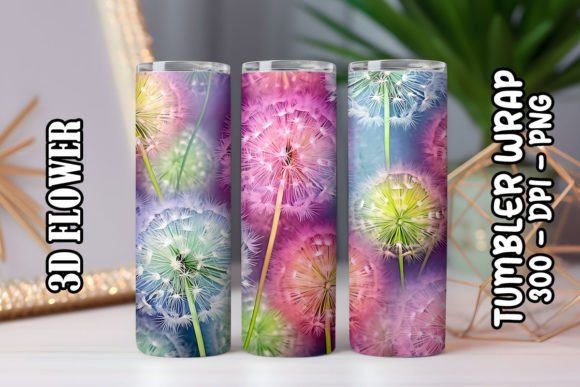
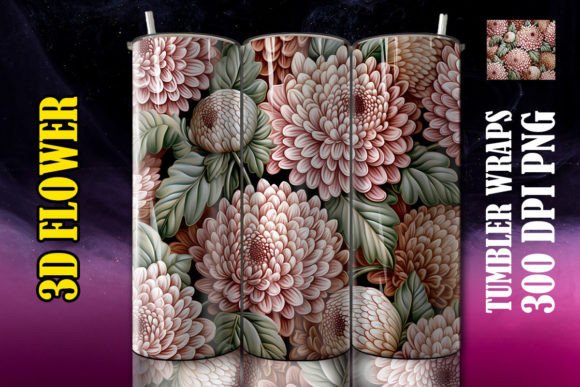
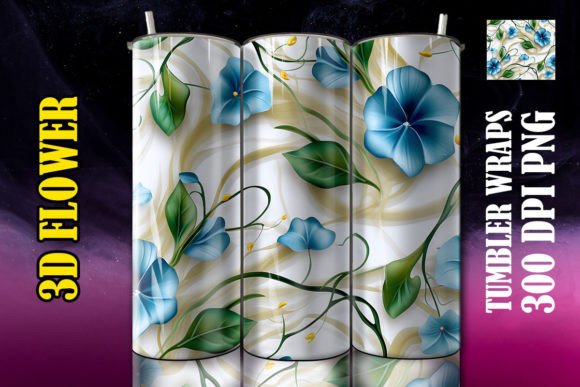
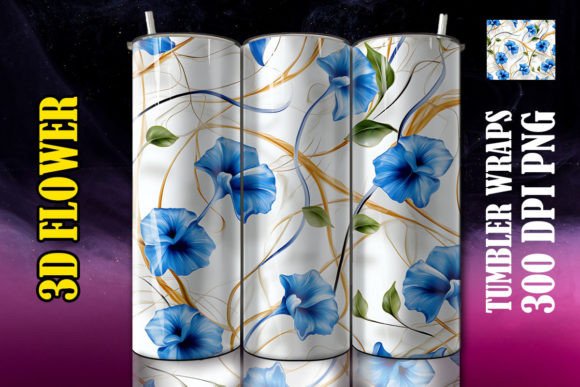
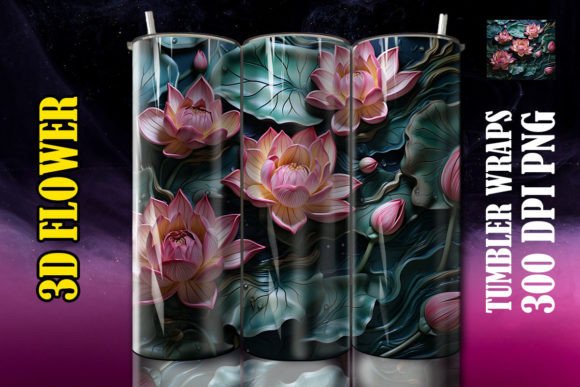
The 3D Lotus Flower Tumbler 3 Tumbler Wrap PNG File is engineered specifically for the technical demands of dye-sublimation printing. Unlike standard flat graphics, this asset utilizes shading, perspective, and texture mapping to create an optical illusion of three-dimensionality when applied to a cylindrical surface. In a professional workflow, this file acts as a pre-calculated visual solution. Rather than spending hours manipulating layers to achieve a realistic floral effect, the creator leverages this ready-to-print asset to accelerate the design phase without sacrificing aesthetic complexity.
This digital download is strictly a utility file. It does not include physical merchandise but provides the necessary data to produce one. Receiving a ZIP file containing several PNG options allows for immediate integration into design software such as Photoshop, GIMP, or dedicated sublimation RIP software. The inclusion of multiple files within the bundle suggests versatility, enabling users to select the specific variation that best aligns with their current project requirements or client preferences. This modularity is crucial for businesses that manage diverse product lines or seasonal collections.
Pre-Production Planning and Technical Compatibility
Successful implementation of the 3D Lotus Flower Tumbler 3 begins long before the heat press is activated. The planning phase must account for the specific technical parameters provided with the asset. The files are formatted at 9.06 inches by 8.11 inches with a resolution of 300 DPI. These specifications are non-negotiable benchmarks for quality control. A 300 DPI resolution ensures that the intricate details of the lotus petals remain crisp after the thermal transfer process, preventing the pixelation that often plagues lower-resolution downloads.
During the preparation stage, verify that your tumbler blank matches the 9.06 x 8.11 dimensions. While the sizing is approximate, significant deviations in the physical vessel's circumference can distort the 3D effect. If you are using a standard 20oz skinny straight tumbler, these dimensions typically align well. However, for tapered or non-standard sizes, you must incorporate a resizing step into your workflow. Because the asset relies on precise geometry to maintain its three-dimensional appearance, arbitrary stretching can flatten the image. Professional workflows dictate creating a template overlay to test fitment digitally before committing ink to paper.
File organization is another critical pre-production factor. Upon instant download, extract the ZIP file and rename the assets descriptively within your project management system. Relying on default filenames can lead to version control errors later. Storing these high-resolution PNGs in a centralized, cloud-synced asset library ensures that team members or future projects can access the correct files without redundant searching. This systematic approach to digital asset management reduces friction during high-volume production periods.
Execution Strategies During the Creative Process
When actively designing with the 3D Lotus Flower Tumbler 3, treat the PNG as a base layer rather than a final composition. The transparent background inherent in PNG format facilitates seamless integration with other design elements. You might place this lotus graphic over a gradient background, combine it with personalized typography, or merge it with brand logos. The key is to maintain the integrity of the 3D shading while adding unique value. Overloading the design with conflicting textures can negate the depth effect, so restraint and balance are vital during the assembly phase.
Color management plays a pivotal role during execution. Monitors display light (RGB), while sublimation printers deposit ink (CMYK). The vibrant hues visible on screen may shift during printing. Incorporate a color proofing step into your workflow using ICC profiles specific to your printer and paper combination. Since the 3D Lotus Flower Tumbler 3 relies on subtle tonal gradients to simulate depth, accurate color reproduction is mandatory. Test prints on scrap paper allow you to adjust saturation or contrast settings in your software to compensate for the inevitable gamut shift, ensuring the final product matches the digital preview.
Ergonomics and user experience should also influence placement. Even though the wrap covers the full surface area, consider where the primary focal point of the lotus flower sits relative to the user’s hand and line of sight. Rotating the design slightly in your layout software can optimize visibility. This attention to end-user interaction transforms a simple decoration into a thoughtfully designed product, enhancing perceived value and customer satisfaction.
Post-Press Quality Control and Business Integration
After the sublimation process is complete, the workflow shifts to evaluation and iteration. Inspect the finished tumbler under consistent lighting conditions to assess the fidelity of the 3D Lotus Flower Tumbler 3 transfer. Check for ghosting, which indicates movement during pressing, or uneven color saturation, which may suggest pressure inconsistencies. Documenting these outcomes creates a feedback loop that refines future production runs. If the 3D effect appears flattened, revisit your heat press temperature and dwell time settings, as insufficient heat can prevent full dye gas penetration into the polymer coating.
For entrepreneurs and marketers, this asset extends beyond manufacturing into content creation. High-quality mockups generated from the original PNG file serve as excellent marketing collateral. Before producing physical inventory, use the digital asset to create listing photos, social media teasers, or email campaign visuals. This "digital-first" validation strategy minimizes financial risk by gauging audience interest before committing to material costs. The consistency between the digital mockup and the physical product builds trust with consumers, reinforcing brand reliability.
Long-term use of this asset involves tracking its performance metrics. Which variations in the bundle sell best? Does the lotus theme resonate more during specific seasons or with particular demographics? Analyzing sales data linked to specific design assets informs future purchasing decisions and inventory planning. By treating the 3D Lotus Flower Tumbler 3 as a data point within your business intelligence framework, you move beyond subjective preference toward evidence-based product development.
Optimizing Workflow Efficiency and Resource Management
Integrating digital downloads like this tumbler wrap requires a mindset focused on scalability. The instant nature of the delivery supports agile production schedules, allowing for rapid response to trends or rush orders. However, speed should not compromise adherence to licensing terms. Always review the usage rights associated with the purchase. Understanding whether the file permits commercial end-product sales versus personal use protects your business from legal exposure. Compliance is a fundamental component of sustainable operational workflows.
Compatibility with existing tools determines the true utility of the asset. Ensure your current software suite supports high-resolution PNG transparency effectively. Some entry-level design programs may struggle with large file sizes or render previews inaccurately. Upgrading hardware or optimizing software preferences may be necessary to handle 300 DPI assets smoothly. Investing in the right infrastructure prevents bottlenecks when utilizing premium resources like the 3D Lotus Flower Tumbler 3.
Finally, consider the educational aspect of workflow integration. If you employ staff or collaborate with other designers, create standard operating procedures (SOPs) for using this asset. Document the correct dimensions, recommended color profiles, and pressing parameters. Standardization ensures that regardless of who executes the task, the output remains consistent. This level of operational maturity distinguishes professional studios from amateur endeavors and maximizes the return on investment for every digital asset acquired.
Strategic Value in Custom Merchandise Creation
The 3D Lotus Flower Tumbler 3 exemplifies how specialized digital resources function within modern maker economies. It is not merely a picture of a flower; it is a calibrated tool for efficient production. From the initial verification of 9.06 x 8.11 dimensions to the final quality inspection of the pressed tumbler, every interaction with this file contributes to a larger system of value creation. Success depends on respecting technical specifications, integrating the asset intelligently into design compositions, and leveraging it for both production and marketing purposes.
By approaching this digital download with a process-oriented mindset, creators can elevate their output quality while reducing development time. The synergy between high-quality source files and disciplined workflow practices results in products that stand out in crowded marketplaces. Whether used for a single bespoke gift or a large-scale commercial run, the principles of preparation, execution, and evaluation remain constant. Mastery of these processes ensures that the 3D Lotus Flower Tumbler 3 serves as a reliable engine for creativity and business growth.