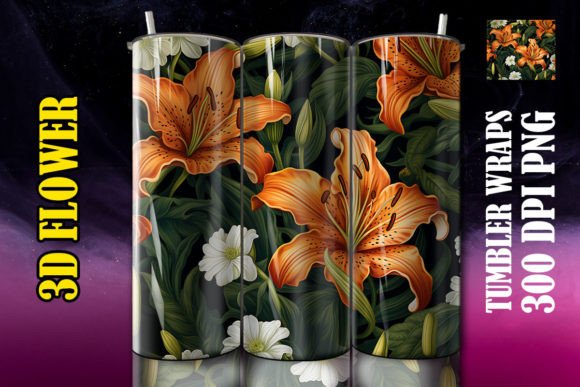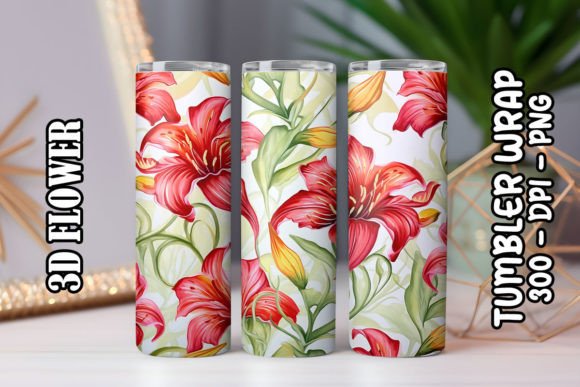
3D Lily Flower Tumbler 1 Sublimation Design
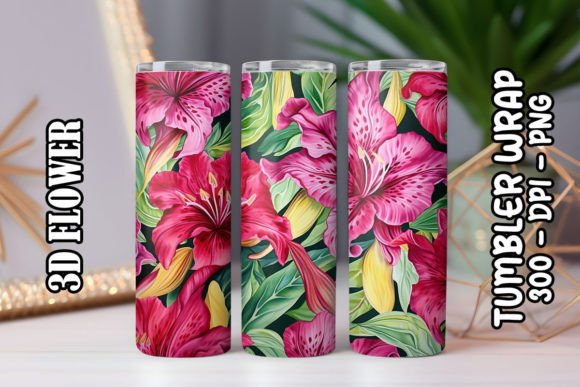
Creating custom drinkware requires more than just placing a flat image onto a curved surface. The 3D Lily Flower Tumbler 1 digital asset addresses the specific challenges of sublimation printing by providing a pre-rendered three-dimensional effect that mimics depth and texture without requiring complex 3D modeling software. This design file serves as a foundational element for crafters, small business owners, and designers who need professional-grade visuals for tumbler wraps. The visual characteristics of this lily flower design lean into organic elegance, featuring petal structures that appear to lift off the surface. This simulated dimensionality creates a tactile illusion, making the final printed product feel premium and carefully crafted rather than mass-produced.
The personality of this design balances botanical realism with artistic stylization. It avoids the stiffness of vector clip art while maintaining the clean lines necessary for high-resolution printing. For entrepreneurs selling on platforms like Etsy or at local craft markets, this aesthetic bridges the gap between hobbyist crafting and boutique merchandise. The style works exceptionally well because it respects the cylindrical geometry of the tumbler. Unlike standard flat patterns that can look distorted when wrapped, the 3D shading in 3D Lily Flower Tumbler 1 accounts for light sources and curvature, ensuring the floral elements look natural from every viewing angle.
Strategic Applications Across Creative Projects
While primarily engineered for tumbler wraps, the utility of this design asset extends into broader branding and product development. Understanding where this visual style performs best helps maximize return on investment for digital assets. In the realm of packaging design, the same file can be adapted for coordinating gift boxes, tissue paper, or thank-you cards that accompany the drinkware. Consistency across these touchpoints reinforces brand identity and elevates the perceived value of the product line.
For content creators and marketers, this design serves as an excellent backdrop for social media graphics. When photographing physical tumblers, having matching digital assets allows for cohesive Instagram stories, Pinterest pins, and website banners. The 3D rendering style translates beautifully to screens, where depth and shadow catch the eye during rapid scrolling. Bloggers reviewing sublimation products or showcasing spring and summer collections will find that the lily motif aligns perfectly with seasonal editorial themes. It provides a sophisticated alternative to generic floral patterns often found in free resource libraries.
Small business owners focusing on niche markets, such as wedding favors or corporate gifts, benefit significantly from this specific aesthetic. Lilies carry connotations of purity, renewal, and refined beauty, making them appropriate for diverse occasions ranging from bridal showers to wellness retreats. By utilizing 3D Lily Flower Tumbler 1, vendors can cater to clients seeking elegance without the higher price point associated with hand-painted ceramics or engraved glass. The digital nature of the asset also allows for rapid iteration; if a client prefers a different color palette, the base 3D structure remains intact while hues are adjusted to match specific event themes.
Technical Specifications and Production Value
Successful sublimation relies entirely on technical precision. The included ZIP file contains multiple PNG files sized at 9.06 inches by 8.11 inches with a resolution of 300 DPI. These specifications are not arbitrary; they represent the industry standard for standard skinny tumblers. The 300 DPI ensures that the subtle gradients creating the 3D effect do not pixelate or band during the heat transfer process. Lower resolution files often result in muddy shadows and lost detail, which destroys the illusion of depth. When evaluating design assets for commercial production, verifying these metrics is the first step in quality assurance.
The dimensions of 9.06 x 8.11 inches provide adequate coverage for most 20oz skinny tumblers, but sizing verification remains critical. Before committing to a full production run, always measure your specific blank. Tumbler manufacturers vary slightly in circumference and height. Because this is a digital download, you have the flexibility to scale the design within your sublimation software, but starting with the correct aspect ratio prevents distortion. The PNG format supports transparency, allowing for seamless layering over solid backgrounds or gradient bases. This flexibility is essential for designers who want to integrate the lily flowers into existing brand identity systems without being locked into a predetermined background color.
- Instant Digital Access: Files are available immediately after purchase, facilitating quick turnaround times for rush orders.
- High-Resolution Fidelity: 300 DPI maintains crisp edges and smooth gradients essential for 3D effects.
- Optimized Sizing: 9.06" x 8.11" targets standard skinny tumbler dimensions.
- PNG Format: Supports transparent backgrounds for versatile layering and composition.
- Bundle Variety: Multiple files included allow for design variation across product lines.
Evaluating Fit and Maximizing Visual Impact
Incorporating 3D Lily Flower Tumbler 1 into your workflow requires thoughtful consideration of visual hierarchy and readability. While the floral element is the star, it must coexist harmoniously with text elements like names, monograms, or quotes. The 3D nature of the flowers means they occupy visual weight differently than flat illustrations. Place text in the negative spaces where the shadows recede, rather than competing directly with the highlighted petals. This approach maintains legibility while preserving the dimensional integrity of the artwork.
When testing font pairings, consider the organic flow of the lily design. A rigid geometric sans serif might clash with the soft curves, whereas a flowing script or a refined serif often complements the botanical theme. However, avoid overly ornate scripts that mimic the complexity of the flowers; this creates visual noise. The goal is balance. If using this design for logo design or brand marks on the tumbler, ensure the 3D effect does not overwhelm smaller text sizes. Sometimes reducing the opacity of the shadow layer can help integrate the graphic more subtly behind personalized content.
Commercial viability also depends on understanding licensing and usage rights. As a digital asset, verify whether the purchase includes commercial use for physical products versus digital redistribution. Most sublimation files permit selling finished goods but prohibit reselling the digital file itself. Respecting these boundaries protects both the creator and your business reputation. Furthermore, consider how this design ages. Floral trends cycle, but realistic 3D renderings tend to have longer shelf lives than cartoonish or highly stylized interpretations. Investing in high-quality, realistic assets like 3D Lily Flower Tumbler 1 builds a sustainable library of design assets that remain relevant across multiple seasons.
Finally, remember that sublimation is a physical process influenced by heat, pressure, and substrate coating. Even the best digital file can fail if production variables are ignored. Test prints on paper before transferring to expensive blanks help verify color accuracy and alignment. Colors on screen (RGB) differ from sublimation ink (CMYK), so creating a physical color chart using the same 3D file helps calibrate expectations. By combining technical diligence with creative application, this digital asset becomes more than just a pretty picture; it transforms into a reliable component of a profitable product line. The instant download model empowers makers to respond quickly to market demands while maintaining the high standards expected by modern consumers.